
GHK-Cu Peptide: A Guide to This Copper Peptide for Research
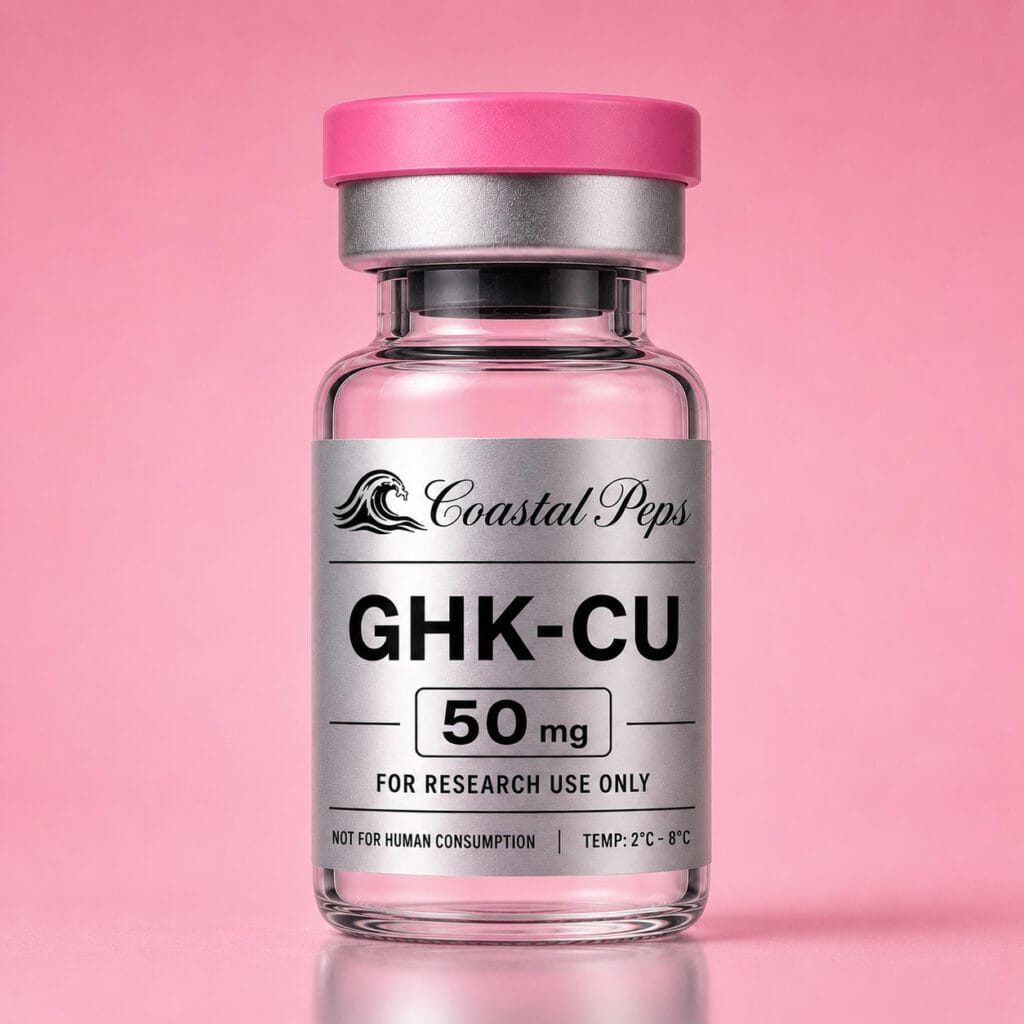
What Is GHK-Cu Peptide?
GHK-Cu peptide is a naturally occurring copper-binding peptide found in small amounts within human plasma, saliva, and urine. Researchers first identified this peptide in the 1970s, and since then, it has become one of the most widely studied peptides in scientific research.
Over time, natural GHK-Cu levels decrease as we age. Consequently, researchers continue to investigate its biological functions and its role in cellular processes.
How Does GHK-Cu Peptide Work?
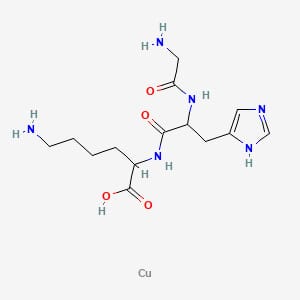
GHK-Cu forms a stable bond with copper ions, creating a copper peptide complex. Copper supports many essential biological functions, including enzyme activity and normal cellular communication. Therefore, scientists continue to study how GHK-Cu influences these processes.
Additionally, researchers have examined how GHK-Cu affects gene expression and cellular signalling. Although many studies have produced encouraging findings, researchers still need more evidence to fully understand these mechanisms.
Current Areas of GHK-Cu Research
Scientists continue to investigate GHK-Cu peptide across several research fields. For example, laboratory studies have explored its role in:
- Skin biology
- Collagen and extracellular matrix research
- Hair follicle research
- Cellular signalling
- Tissue repair models
- Antioxidant activity
- Inflammatory response research
Furthermore, researchers continue to expand their understanding of GHK-Cu through laboratory and preclinical studies. However, these studies do not establish clinical effectiveness in humans.
Why Do Researchers Study GHK-Cu?

Researchers value GHK-Cu because it occurs naturally in the body and demonstrates a wide range of biological activities in laboratory settings. As a result, many scientists use it to investigate cellular function and tissue biology.
Moreover, ongoing research continues to reveal new areas of scientific interest. Consequently, GHK-Cu remains one of the most recognised copper peptides in research.
Storage Recommendations
Store lyophilised GHK-Cu peptide in a cool, dry location away from moisture, heat, and direct sunlight. After reconstitution, refrigerate the peptide according to the manufacturer’s recommendations and standard laboratory handling procedures.
Additionally, avoid repeated freeze-thaw cycles because they may reduce peptide stability over time.
Frequently Asked Questions
What does GHK-Cu stand for?
GHK-Cu stands for Glycyl-L-Histidyl-L-Lysine Copper, a naturally occurring copper peptide complex.
Is GHK-Cu naturally found in the body?
Yes. The human body naturally produces small amounts of GHK-Cu in plasma, saliva, and urine.
What do researchers study GHK-Cu for?
Researchers investigate GHK-Cu in laboratory models involving skin biology, collagen research, hair follicle biology, cellular signalling, tissue repair, and antioxidant activity.
Is GHK-Cu approved as a medicine?
Regulatory requirements vary between countries. Therefore, researchers should always review local regulations and use products only as permitted under applicable laws.
Final Thoughts
GHK-Cu peptide continues to attract strong interest within the scientific community because of its unique biological properties. Furthermore, ongoing laboratory research continues to improve our understanding of this naturally occurring copper peptide.
As new studies emerge, researchers will continue exploring GHK-Cu and its role in cellular biology. Consequently, GHK-Cu remains an important subject within peptide research.
Internal Links
- Learn more about our GHK-Cu peptide →
/product/ghk-cu-50mg/ - Bacteriostatic Water Guide →
/product/bacteriostatic-water/ - Research Peptides Collection →
/shop/ - Frequently Asked Questions →
/faq/
If you’re researching this copper peptide, you can also explore our GHK-Cu 50mg product, read our Bacteriostatic Water Guide, or browse our complete Research Peptides Collection.