
NAD+ 500mg: Complete Guide to Nicotinamide Adenine Dinucleotide Research
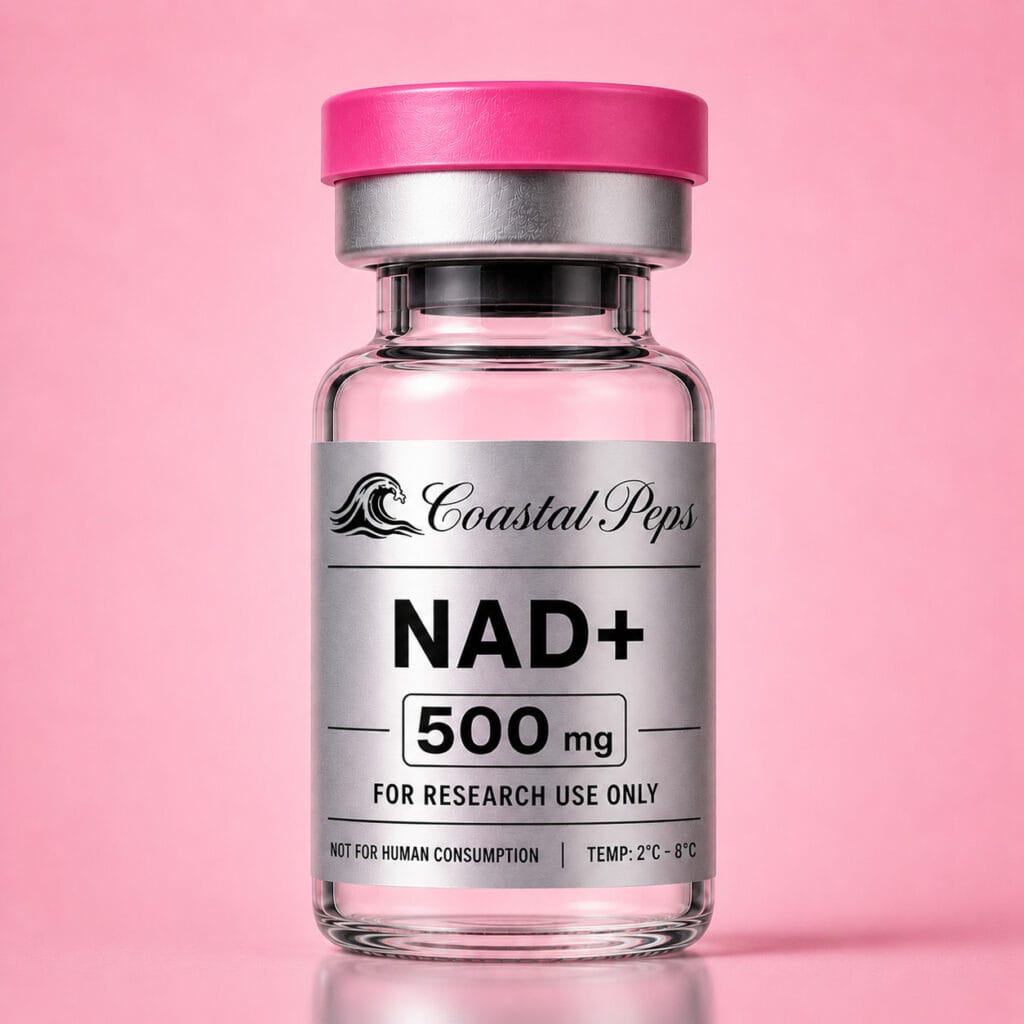
What Is NAD+?
NAD+ (Nicotinamide Adenine Dinucleotide) is a naturally occurring coenzyme found in every living cell. It plays a central role in cellular energy production, metabolism, and many biological processes that researchers continue to investigate. Because NAD+ participates in hundreds of enzymatic reactions, it remains one of the most widely studied molecules in modern biological research.
As natural NAD+ levels decline with age, scientists continue exploring how changes in NAD+ availability influence cellular function, mitochondrial biology, and healthy ageing research. Consequently, NAD+ has become an important focus in laboratory studies worldwide.
How Does NAD+ Work?
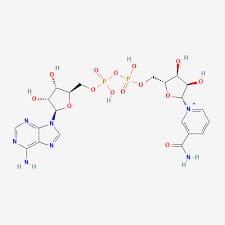
NAD+ acts as a coenzyme that helps cells convert nutrients into usable energy. It also supports normal cellular signalling and serves as a cofactor for enzymes involved in DNA repair and stress-response pathways. Therefore, researchers frequently investigate NAD+ when studying mitochondrial function and cellular metabolism.
Additionally, researchers continue examining how NAD+ interacts with enzymes such as sirtuins and PARPs. Although laboratory studies have produced promising findings, scientists continue investigating these complex biological pathways to better understand their significance.
Why Is NAD+ Popular in Research?
NAD+ attracts significant scientific interest because it plays a role in numerous cellular functions. Furthermore, its presence in every living cell makes it an important molecule for laboratory investigation.
Researchers commonly study NAD+ in relation to:
- Cellular energy metabolism
- Mitochondrial function
- Healthy ageing biology
- DNA repair pathways
- Cellular stress responses
- Metabolic regulation
- Oxidative stress research
- Cellular signalling
Although research continues to expand, many findings come from laboratory and preclinical studies. Therefore, additional research is needed to understand how these findings translate to humans.
Potential Areas of Scientific Interest
Scientists continue investigating NAD+ across several research fields. For example, published studies explore its role in:
- Cellular metabolism
- Energy production
- Mitochondrial biology
- Longevity research
- Neurobiology research
- Muscle physiology research
- Exercise recovery models
- Cellular resilience
Consequently, NAD+ remains one of the most researched molecules in the fields of metabolism and ageing biology.
Storage Recommendations
Store lyophilised NAD+ 500mg in a cool, dry location away from direct sunlight and moisture.
After reconstitution, refrigerate the solution according to the manufacturer’s recommendations and standard laboratory handling procedures. Additionally, avoid repeated freeze-thaw cycles because they may reduce peptide stability over time.
Frequently Asked Questions
What does NAD+ stand for?
NAD+ stands for Nicotinamide Adenine Dinucleotide, a naturally occurring coenzyme found in all living cells.
Why do researchers study NAD+?
Researchers investigate NAD+ because of its central role in cellular energy production, mitochondrial biology, metabolism, DNA repair pathways, and cellular signalling.
Is NAD+ naturally found in the body?
Yes. Every living cell naturally contains NAD+, where it participates in essential metabolic and cellular processes.
Is NAD+ approved as a medicine?
Regulations vary between countries. Researchers should always review local regulations and ensure products are used only for lawful research purposes.
Final Thoughts on NAD+ 500mg
NAD+ remains one of the most extensively researched molecules in modern biology because of its fundamental role in cellular function. Furthermore, ongoing laboratory studies continue improving our understanding of cellular energy metabolism, mitochondrial function, and healthy ageing pathways.
As research progresses, scientists will continue exploring the many biological functions of NAD+ and its importance in cellular research.